
To create a transformative student experience that integrates new-age, hands-on learning with real-world applications, empowering students to thrive under the mentorship of industry leaders and expert practitioners, thus ensuring our graduates are equipped to excel in their careers.
The CIS Capstone course provides senior undergraduate students with a hands-on opportunity to apply their knowledge and skills to real-world business problems. Working in teams, students partner with client organizations to develop IT solutions, gaining valuable experience in both technical and professional skills. This course bridges the gap between classroom learning and industry practice, preparing students to transition into professional IT roles.
• Work in teams of 3 to 5 CIS students to tackle real-world business challenges.
• Commit 10 hours per week to project work, including client meetings, development, and documentation.
• Collect and analyze business requirements to understand the client's needs.
• Design, develop, and present IT solutions that address those needs.
• Gain experience working in one of four concentrations:
- Data Analytics
- Cybersecurity
- Application Development
- Digital Innovation
• Define and develop a semester-long project scope with clear deliverables.
• Present final findings through written and oral reports to both clients and faculty.
• Receive support from the instructional team, including checkpoint meetings and guidance.

• Engage with motivated students working on unpaid, real-world IT projects.
• Meet weekly with teams to provide feedback and ensure project alignment.
• Collaborate on defining project scope and objectives.
• Provide supervision and insights to help guide project success.
• Gain innovative IT solutions tailored to business needs.

The capstone follows an IT consulting business model, where students act as consultants, course directors serve as managers, and businesses are the clients

Ensuring continuous progress and alignment with business needs.
A refresher on project management fundamentals.

Teams present their progress to course directors for feedback.

Students present their work to both the client and the class, highlighting key results.
Students work on a range of projects across various industries
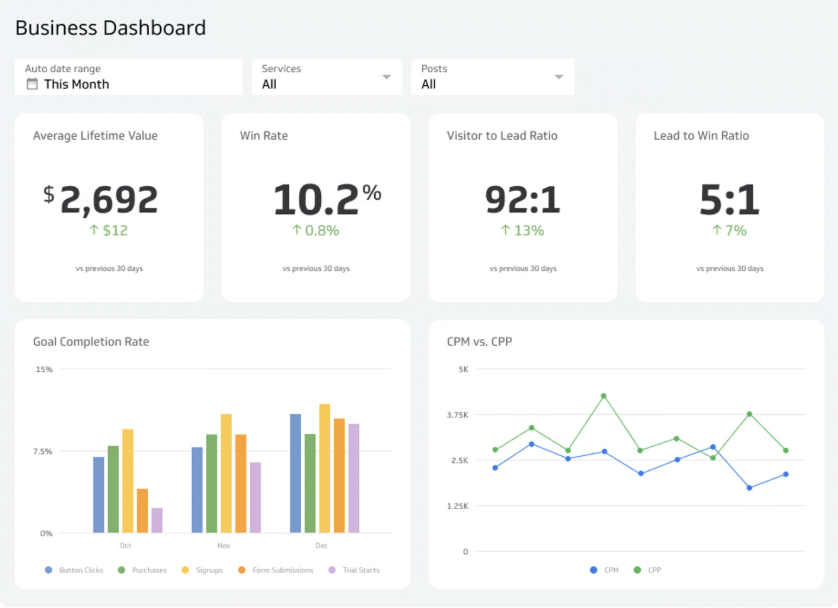
Creating business intelligence dashboards and data visualization tools:
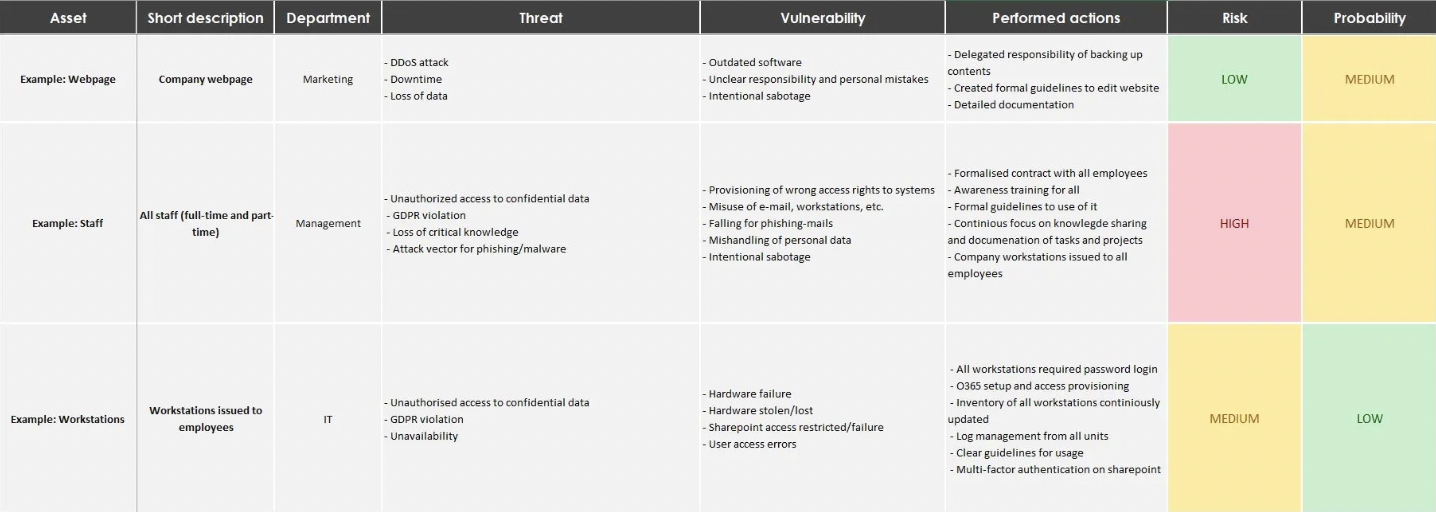
Conducting security assessments and implementing risk mitigation strategies:
Developing web and mobile applications to enhance business operations:

College of Business
35 Broad St NW,
Atlanta, GA 30303
CIS4980Help@gsu.edu
.svg.png)